In 2026, Australia is seeing a decline in gambling advertising inventory of around 28–35% across digital and sports media. The restrictions affect TV integrations, live sponsorships, and part of streaming placements. Regulatory changes are increasing audience reach costs by 20–30% across selected channels.
Against this backdrop, operators are shifting toward direct retention models. The focus is moving toward CRM systems and internal ecosystems. Competition within the market is increasingly centred on retaining existing players rather than acquiring new users.
Vegazone casino is adapting its traffic structure to reduce external marketing by strengthening organic channels and direct visits through branded search queries.
The tightening restrictions are also affecting audience behaviour: around 62% of players are beginning to use direct access methods instead of ad-driven traffic.
Advertising Market Changes in Australia
Metric | Before Restrictions | After Reforms |
Digital ad reach | 100% | 65–72% |
Cost per click | $1.2 | $1.6–1.9 |
Sports sponsorship share | 48% | 22–25% |
Affiliate traffic share | 31% | 44% |
Marketing Restructuring and Rising Player Acquisition Costs
Australia’s market is entering a phase of high acquisition costs. Average CPA has increased by 17–25% depending on the traffic source. The sharpest growth is visible in PPC and paid social segments.
Operators are reallocating budgets toward affiliate traffic and SEO-based reviews. This reduces dependence on direct advertising while increasing the role of intermediaries.
Within this model, Vegazone bonus is becoming a tool for targeted user conversion rather than mass acquisition through personalised offers. On average, these offers increase conversion rates by 12–18% on repeat visits.
Retention growth is becoming more important than the first deposit. Player lifetime value in certain segments has risen by 14–22% over the past 12 months.
Player Behaviour After the Decline in Advertising Activity
Reduced advertising pressure is reshaping the user journey. Players are increasingly accessing platforms through direct searches and mobile apps. Mobile gambling in Australia now accounts for 71–74% of total traffic.
Registration processes are becoming faster through simplified forms and biometric verification. In some systems, Vegazone login takes less than 15 seconds when device data is already saved.
Push notifications are replacing part of the advertising traffic. Their open rate reaches 38–42% when audiences are properly segmented.
Market Redistribution and Offshore Segment Growth
Restrictions are accelerating the growth of offshore operators and crypto-based solutions. The share of alternative channels is estimated at 16–22% of the total online market.
Following similar reforms in Europe, the illegal segment grew to 12–18% within the first 24 months. Australia is showing a comparable trend with a delayed effect.
In this environment, analytical reviews and trusted information sources are becoming increasingly important. User ratings through Vegazone review are emerging as a key factor in platform selection.
Regional Impact of Gambling Regulation
Region | Legal Market Change | Offshore Market Share Growth | Traffic Change |
Italy | -18% | +16% | -12% |
Spain | -8% | +9% | -6% |
Australia (forecast) | -10–15% | +18–22% | -14% |
Hidden Channels and Traffic Transformation
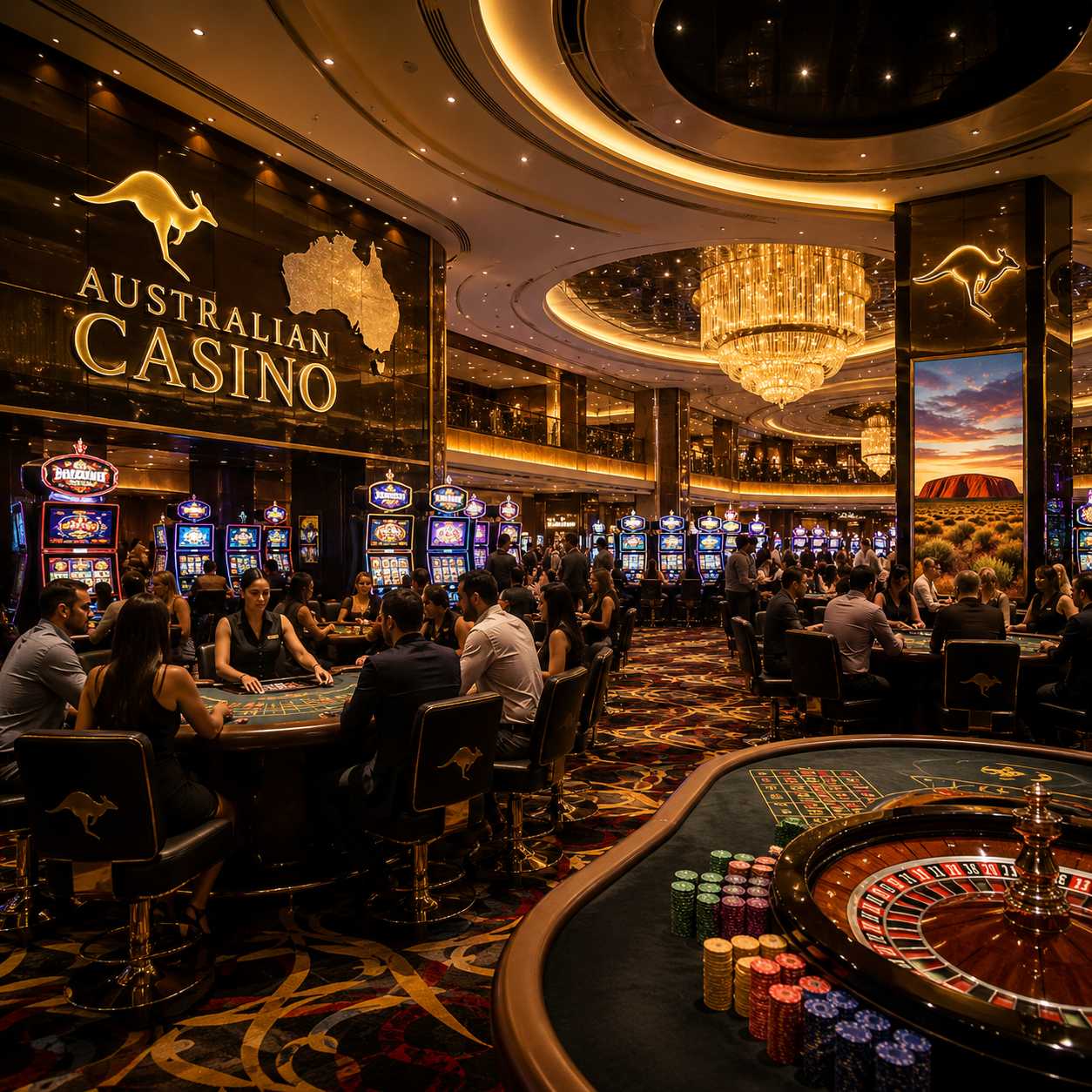
The reduction in public advertising is strengthening hidden promotional channels. The strongest growth is being recorded across Telegram, Discord, and streaming integrations.
The share of influencer-driven traffic has increased by approximately 19–23% during recent reform cycles. This is changing acquisition structures: instead of mass campaigns, micro-audiences are becoming the primary focus.
Within closed communities, personalised offers and user case studies are widely shared, including Vegazone testimonials. These formats increase trust by 11–15% compared to traditional advertising.
Growing Importance of the VIP Segment and Changes in Casino Economics
The decline in new player inflow is increasing the value of VIP players. In some systems, up to 58–63% of revenue is generated by just 5% of the audience.
Retention mechanics are becoming the key operational tool. Loyalty programs now include dynamic limits, personalised bonuses, and AI-based activity forecasting.
Average VIP retention costs have increased by 18–24% over the past 12 months.
Comparison Between Mass Players and VIP Segment
Metric | Mass Players | VIP Segment |
Share of user base | 95% | 5% |
Revenue contribution | 42% | 58% |
Average deposit | $25–$90 | $600–$4500 |
Retention rate | 28–34% | 72–86% |
Historical Cases and the Impact of Regulation
European markets have already experienced similar reforms. Following restrictions in Italy and Belgium, advertising activity declined by up to 40%, while the offshore segment grew to 15–18%.
Self-exclusion systems strengthened user control but also shifted audiences toward esports betting and crypto wagering. This changed demand patterns among users aged 21–35.
Experience shows that reducing advertising does not decrease overall interest levels but instead redistributes access channels.
Forecast for Australia’s Market Through 2027
Australia’s online wagering market is moving toward a model built on high personalisation and restricted marketing. The sportsbook market remains the main growth driver, particularly live betting, where reaction speed determines up to 70% of betting turnover.
CPA (cost per acquisition — the cost of acquiring a single player) will continue to rise by 15–25% depending on the channel. This will accelerate market consolidation and reduce the number of smaller operators.
AI-driven personalisation will become the standard for most platforms. Advertising will increasingly be replaced by highly targeted offers and data-driven behavioural models.
The market will become more closed, with stronger dependence on retaining existing users and direct access channels. Over time, these changes are expected to create a stable but less open ecosystem.